

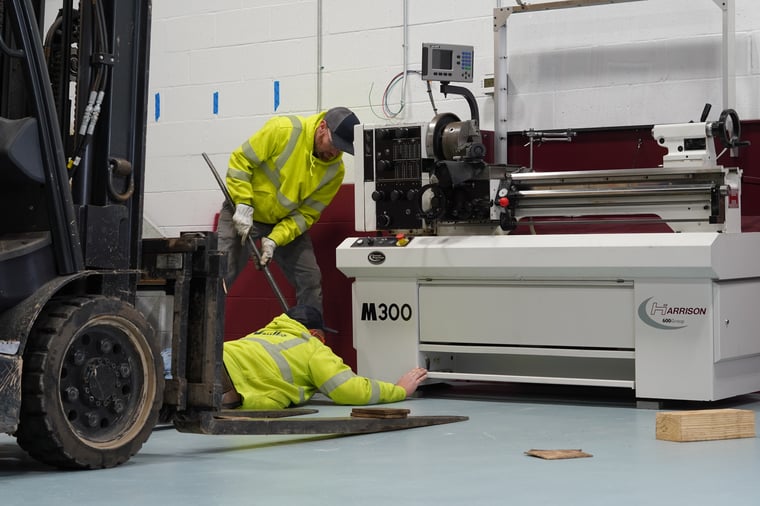
Picture this: a plant manager needs to relocate a CNC machine to a different part of the facility. The project feels straightforward. You have a forklift, you have people, and renting a few extra pieces of equipment seems cheaper than calling in a professional crew. So you decide to handle it in-house.
It’s a decision made every day across facilities of every size, and it’s one that regularly costs companies far more than they bargained for.
The problem isn’t that DIY equipment relocation is always a disaster. Sometimes it works fine. The problem is that when it doesn’t go right, the real costs are rarely the ones you were trying to avoid in the first place.
The Obvious Costs (That People Still Underestimate)
Before we get to the hidden stuff, it’s worth acknowledging that even the visible costs of a DIY move are often underestimated. Labor hours add up fast when you’re pulling your own team off their primary responsibilities. Equipment rentals, forklifts, rigging gear, dollies, and straps, cost more than people expect, especially when you’re not sure exactly what you need and end up renting more than necessary. And the time your team spends planning, coordinating logistics, and managing permits is time they’re not spending on production.
And that's just what you're putting on your spreadsheet...
The True Hidden Costs
Equipment Damage
Industrial machinery is heavy, precisely calibrated, and unforgiving of mistakes. A single improper lift can damage internal components, knock precision systems out of alignment, or void manufacturer warranties entirely. Repair bills for high-value CNC equipment, optical instruments, or production line machinery can run into tens of thousands of dollars, for a move that was supposed to save a few thousand.
Unplanned Downtime
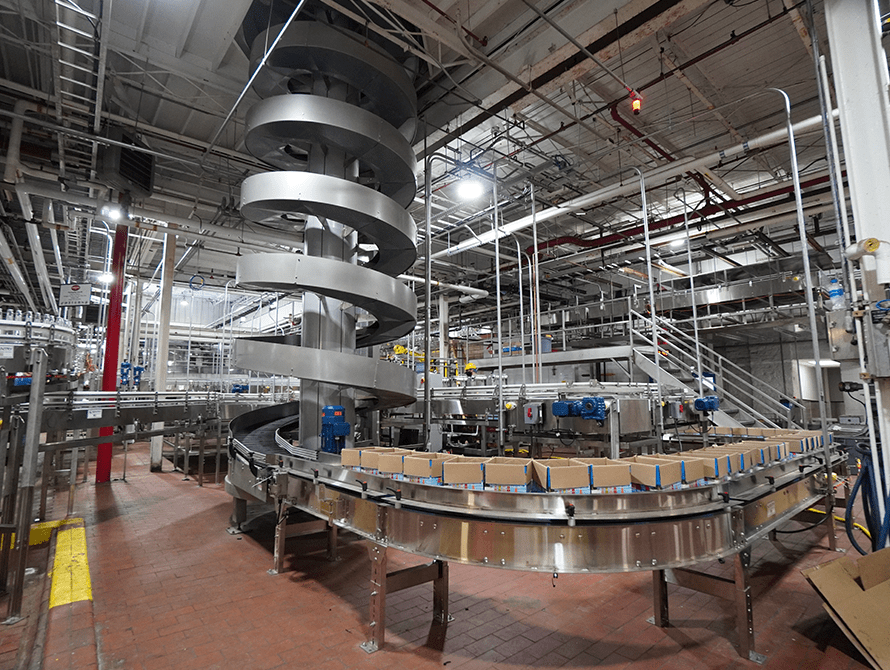
A move that goes sideways doesn’t just delay one machine, it can bring an entire production line to a halt. Every hour of unplanned downtime carries a real dollar cost: missed output, delayed orders, and in some cases, customer penalties. Use our downtime calculator to see what an unexpected stoppage actually costs your operation. The numbers are often sobering.
Worker Safety & Risks
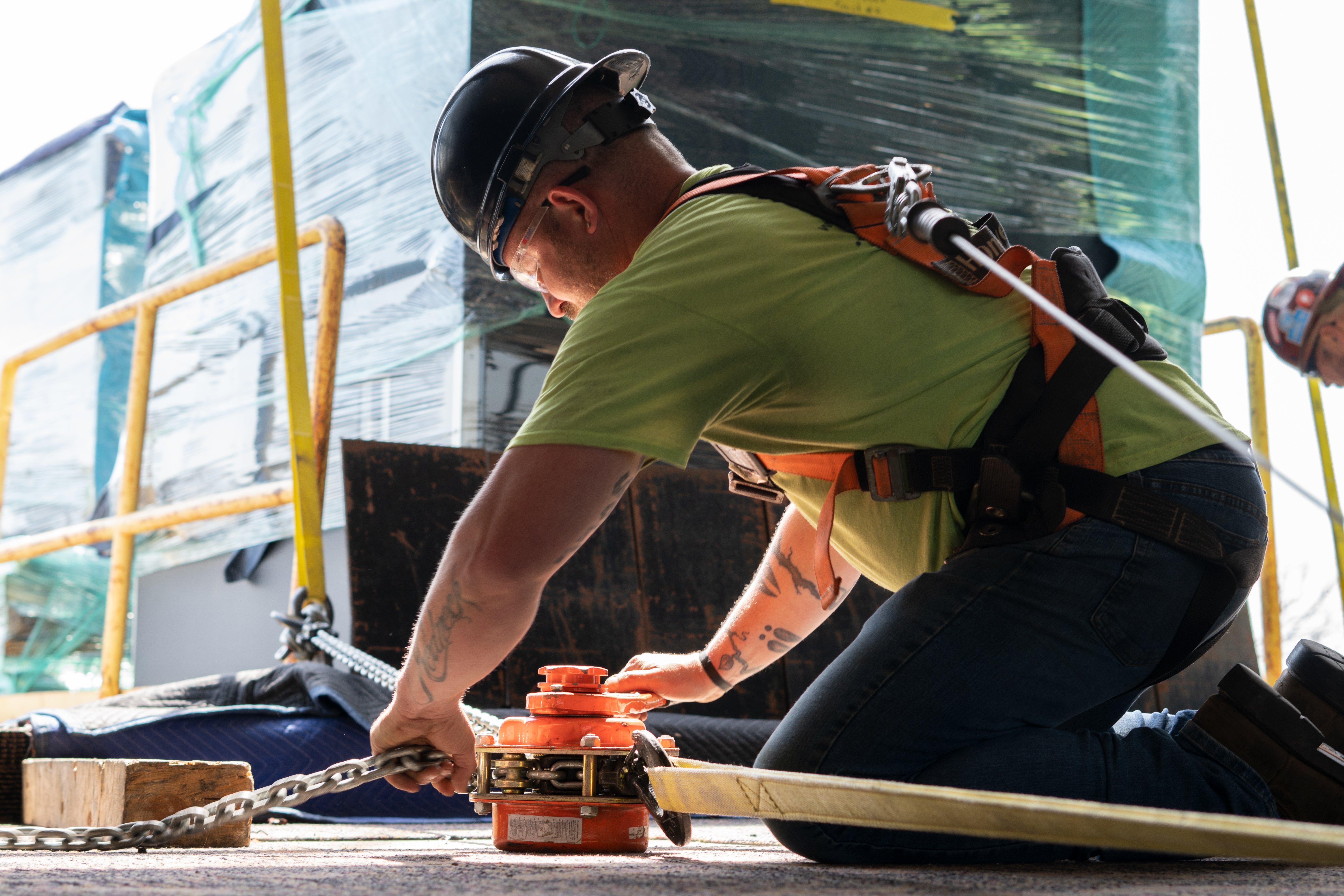
OSHA regulations around rigging and heavy lifts are strict, specific, and actively enforced. Untrained workers attempting complex moves aren’t just at personal risk, they’re creating liability exposure for the company. A workplace injury during an equipment move can result in workers’ comp claims, OSHA fines, and legal costs that dwarf whatever you thought you were saving by going DIY.
Compliance & Permitting Mistakes
Depending on the scope of the move, permits may be required, especially for road transport of oversized or heavy loads. Getting this wrong doesn’t just mean a fine; it can mean being forced to redo the move entirely, adding cost and delay on top of cost and delay.
Reinstallation & Recommissioning Problems
Getting the machine to its new location is only half the job. Improper reinstallation leads to misalignment, vibration issues, and performance problems that may not surface immediately, but will surface eventually, usually during production. Technician callbacks, quality issues, and extended downtime all follow, and they’re all preventable.
The "We've Done It Before" Trap
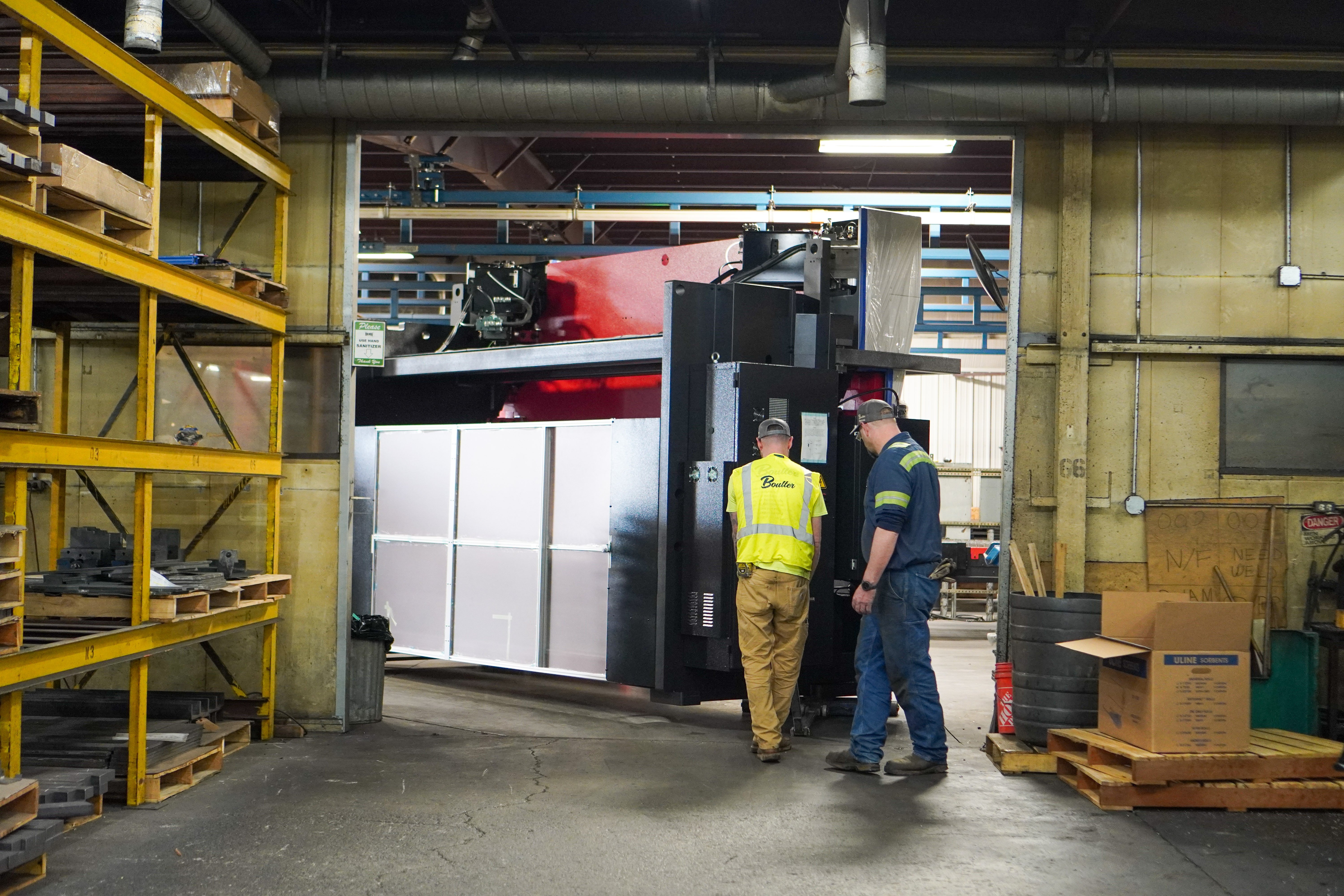
One of the most common objections we hear is: “We moved equipment last year and it went fine.” And maybe it did. But past success on a smaller or simpler move doesn’t transfer to every future project. Each relocation has its own variables, floor load ratings, ceiling clearances, utility shutoffs, machine weight distribution, structural considerations. The move that went smoothly in 2023 doesn’t insure you against the one that doesn’t in 2026.
What a Professional Relocation Partner Actually Provides
When you bring in a professional industrial relocation team, you’re not just paying for labor. You’re getting:
-
A pre-move site assessment that identifies risks before they become problems
-
Certified riggers with OSHA-compliant training who do this every day
-
The right equipment for the job, no guessing, no overpaying on rentals
-
Coordination of permits, transportation, and reinstallation under one roof
-
Accountability if something goes wrong, it’s on the contractor, not you
At Boulter, our professional relocation and rigging services are built around one goal: getting your equipment where it needs to go safely, compliantly, and without disrupting your operation any longer than necessary.
How to Do a Real Cost Comparison
Before your next equipment move, go beyond the surface quote. Factor in the risk exposure, the opportunity cost of your team’s time, the potential liability, and the downtime cost of a worst-case scenario. Use Boulter’s downtime calculator to put real numbers on what a production stoppage would actually cost your facility.
When you run those numbers, professional relocation doesn’t look like an expense. It looks like risk mitigation.
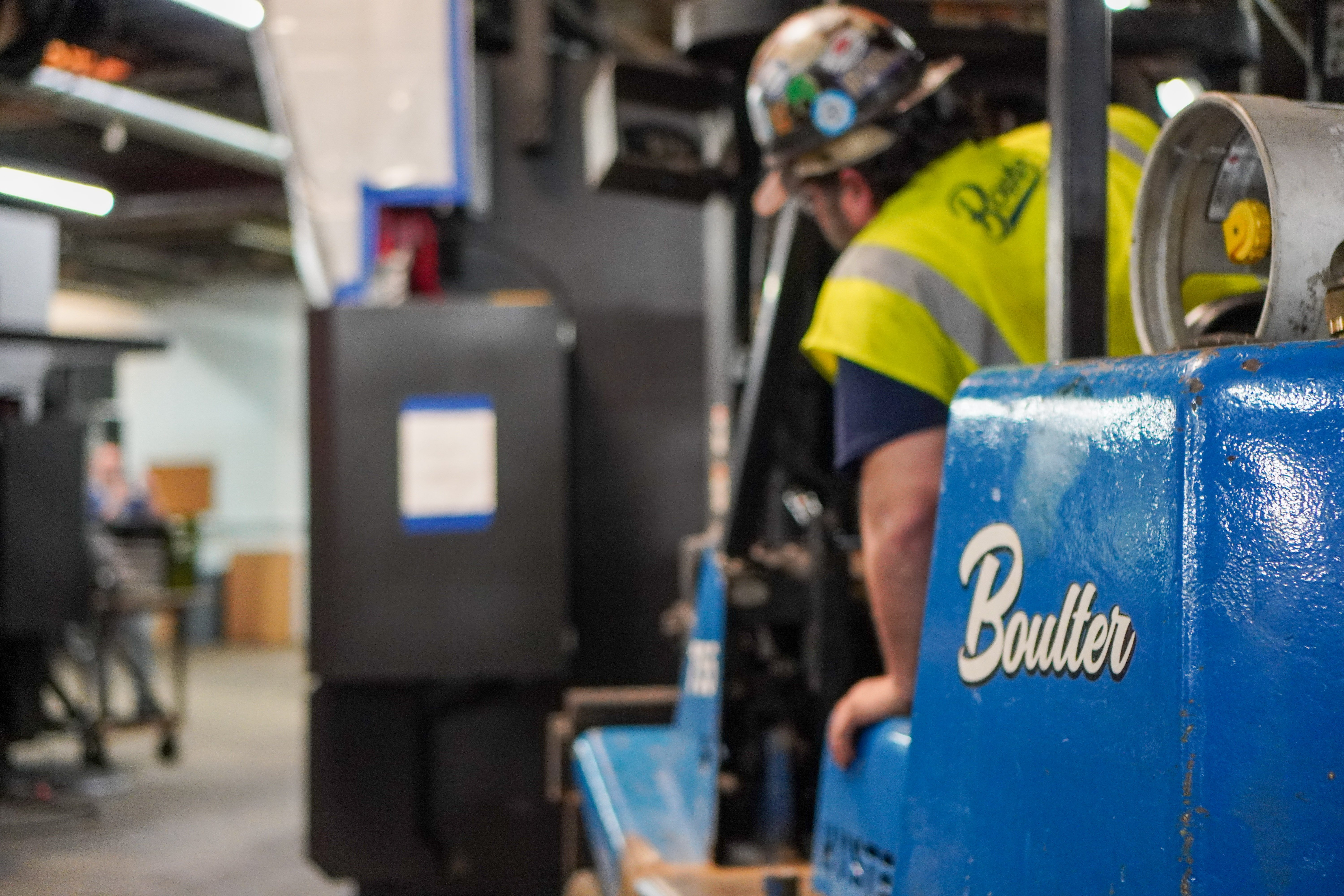
Planning an equipment move?
Get a quote from Boulter Industrial and know exactly what you’re working with before the first lift. Our team will assess your project, walk you through the plan, and give you a clear picture of cost, timeline, and risk, no surprises.