

Manufacturing facilities are facing immense pressure these days. Plant managers are being asked to hit production goals with limited resources. Maintenance teams are stretched thin trying to keep equipment running. HR is tasked with filling skilled roles that are increasingly difficult to hire for. At the same time, demand is not slowing down.
The reality is simple. There are not enough skilled workers to go around, and the gap shows up fast on the floor.
Most companies try to solve this through hiring alone, but hiring takes time and does not solve the immediate need. In the meantime, the workload still exists, and your team is expected to carry it.
Supplemental maintenance support is not about replacing your team. It is about giving them the capacity to keep up with the demands in front of them. Here are three signs it is time to bring in additional support.
1. Your Team Is Stuck in Reactive Mode
A maintenance team that is constantly responding to breakdowns is a team that never gets ahead. Equipment gets repaired, but only after it fails. Preventative maintenance keeps getting pushed off because there is no time to prioritize it.
Over time, this creates a cycle that is hard to break. The same issues continue to show up. Downtime becomes more frequent. Overtime becomes the default just to keep things running. Then comes burnout, and in some cases, increased safety risks.
It’s like trying to wade through water with a strong current. Even the best swimmer will eventually tire out. This is not a reflection of effort or skill. It is a reflection of capacity.
The pressure builds across the entire operation. Production feels it through missed output. Maintenance feels it through constant firefighting. Leadership feels it through inconsistent performance and lack of predictability.
Supplemental support helps break that cycle. It gives your team the time and coverage needed to stay ahead of preventative maintenance, reduce repeat issues, and stabilize operations. Most importantly, it gives them the ability to operate with control instead of constantly reacting.
2. Projects Keep Getting Pushed Because There’s No Bandwidth
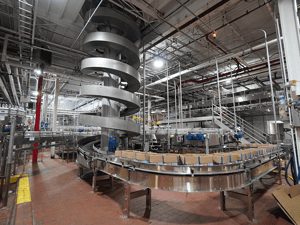
No matter if it is a CapEx or OpEx year, every plant has projects that are critical to improving performance. Equipment installs, line upgrades, retrofits, and scheduled shutdown work are all meant to move the business forward and support long-term growth.
The issue is not a lack of planning. The issue is that the same team responsible for executing those projects is also responsible for keeping daily operations running, often while managing equipment and workloads that are already stretched.
As a result, projects get delayed, compressed into tight timelines, or executed under pressure. Opportunities to improve efficiency and increase capacity get pushed further down the list, often to a point where they are revisited only after something goes wrong.
This creates a ripple effect across the entire operation, where delays begin to impact production, rushed work introduces additional risk, teams find themselves operating in a constant state of catch-up, and overall efficiency starts to decline.
Supplemental maintenance support changes that dynamic. Instead of pulling your internal team in multiple directions, you add capacity that allows both priorities to move forward. Your team stays focused on keeping the plant running, while projects are executed the right way and on schedule.
3. Hiring Can't Keep Up With Demand
HR teams are feeling the same pressure as operations. Maintenance roles are harder to fill, take longer to onboard, and come with no guarantee of long-term retention. Finding someone with the right skillset only makes that challenge more difficult, which often leads to less experienced workers being asked to step into roles they are not fully prepared for.
While the goals of operations and HR may seem different on the surface, they are ultimately tied to the same outcome. Hitting production goals and meeting demand is a company-wide priority, and that cannot happen if equipment is down or there are not enough skilled people to support the workload.
As these positions remain unfilled, existing teams absorb the extra workload, and burnout becomes more than a possibility; it becomes a real concern.
There is also a cost that continues to add up. Recruiting efforts, benefits, training, and turnover require time and resources, and none of it provides immediate relief on the floor. Sound familiar?
Supplemental maintenance support provides a way to stabilize that gap. Experienced technicians can step in and contribute immediately, giving your operations team the support they need now while allowing HR the time to find and hire the right people instead of rushing the process.
What This Looks Like in Practice
Supplemental maintenance support is not a one-size solution. It is typically built around the specific workload a facility’s maintenance team is struggling to keep up with.
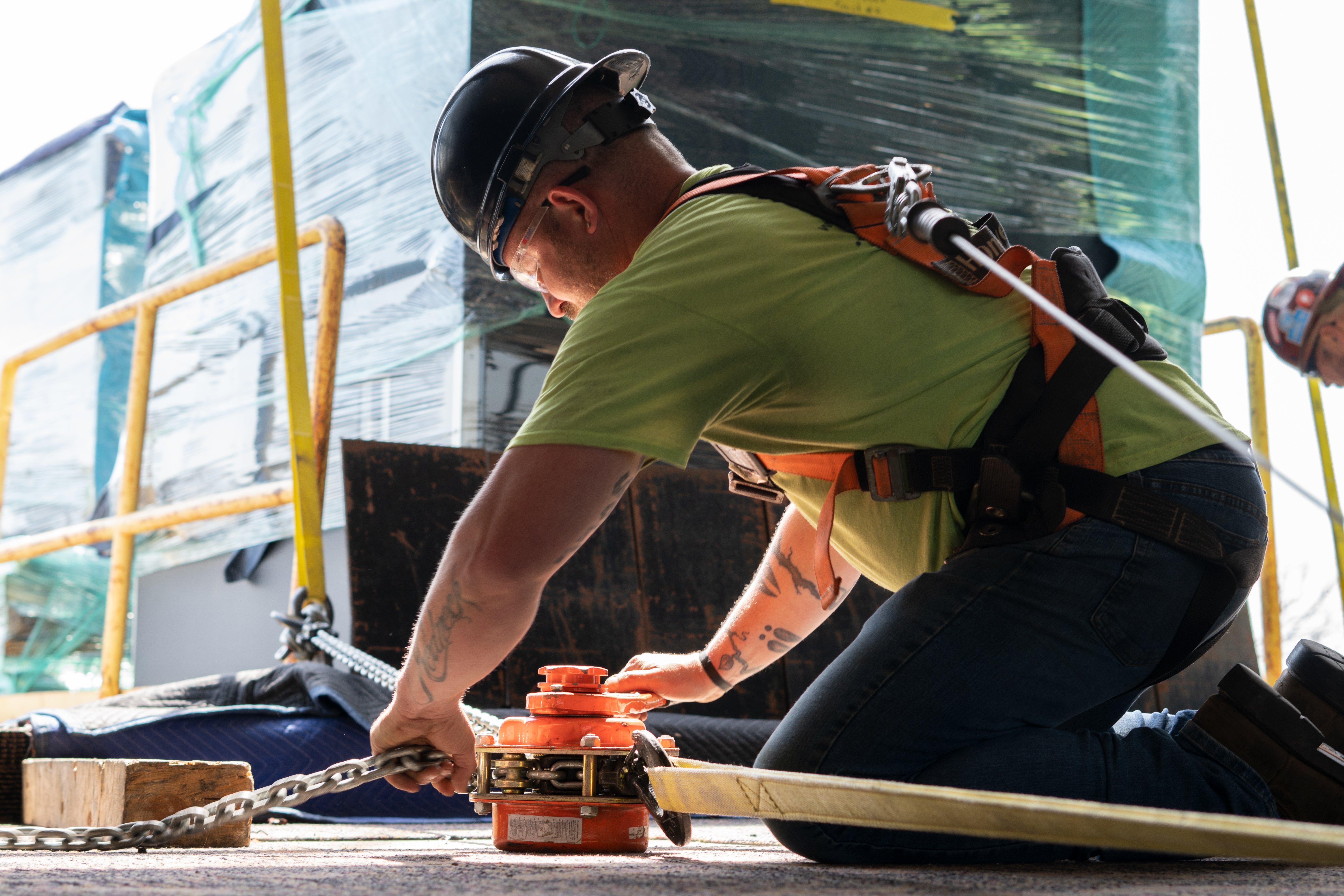
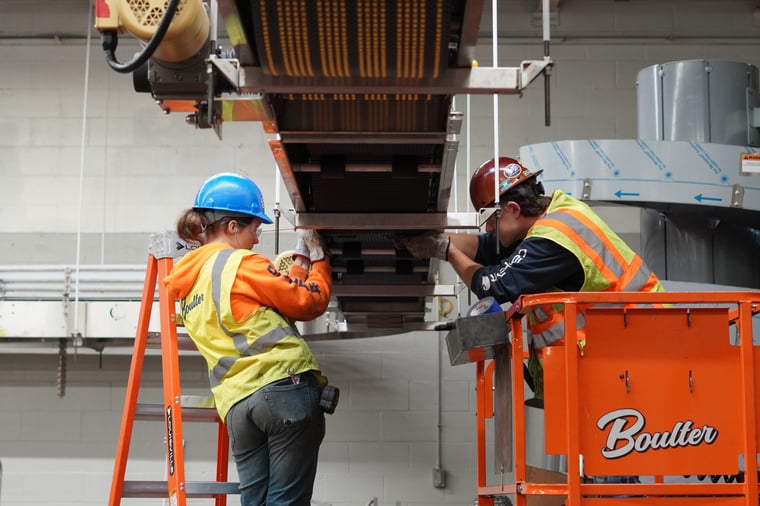
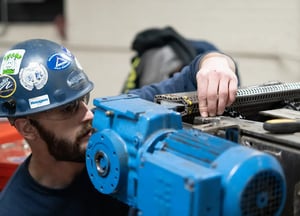
In many cases, this takes the form of a labor loan-style arrangement, where a small team of experienced millwrights works alongside the internal maintenance team on a consistent basis. These technicians are available to support ongoing issues as they arise, allowing internal teams to stay focused on higher-level priorities and overall plant performance.
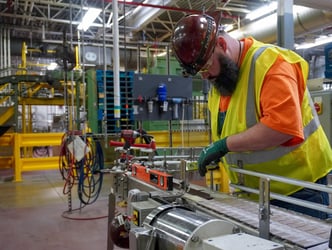
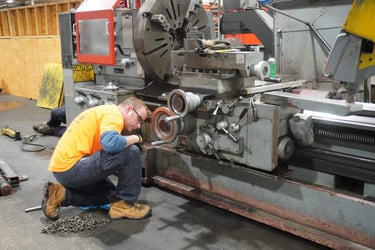
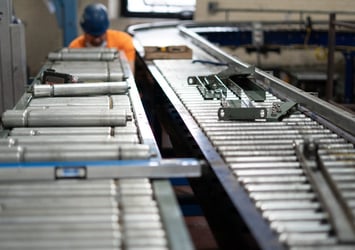
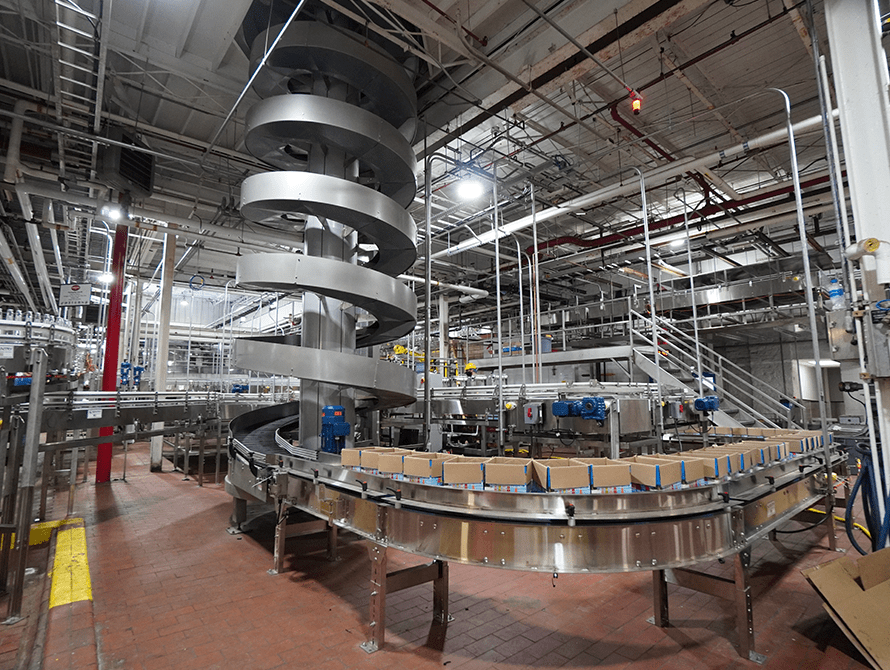
Another common approach involves bringing in a team for a defined period of time to work through a backlog of preventative and corrective maintenance tasks. This could be for a single day, a full week, or multiple weeks, depending on the scope of work. Typical tasks include adjusting and tracking belts, greasing bearings, aligning conveyor systems, adjusting guides, replacing worn components, swapping motors, changing belts or chains, and handling general mechanical upkeep that often gets deferred during day-to-day operations.
For facilities that need a clearer understanding of their equipment condition, support may begin with a full line audit. This process involves reviewing equipment alongside the internal team, identifying wear points, inefficiencies, and potential failure risks, and delivering a detailed report with recommended next steps. From there, the facility can prioritize work based on urgency and impact.
Other operations rely on supplemental crews during peak production periods or scheduled shutdowns. In these cases, additional millwright support allows for larger scopes of work, such as equipment installs, retrofits, or major component replacements to be completed without pulling internal teams away from critical operations.
Some manufacturers use this type of support as a short-term bridge while hiring, while others incorporate it into their long-term strategy to maintain flexibility and stay ahead of maintenance demands. But the common thread between all manufacturers is flexibility. Facilities are able to add experienced mechanical support exactly where it is needed, whether that is routine maintenance, backlog reduction, or larger project execution, without overextending internal teams or expecting them to take on more than they realistically can.
If you're looking for an outsourced maintenance solution, we're ready to work alongside your teams to keep operations running and critical work moving forward.